
Source: Fixr roof leak repair cost guide, checked November 2, 2026.
The best way to repair a leaking roof is in two steps: stop the water tonight with a tarp or a temporary dry-in, then fix the leak at its source once the roof is dry and someone has found where the water actually gets in. Skipping the first step lets every afternoon storm push more water into insulation and drywall. Skipping the second means the leak comes back. This guide covers what to do the moment you find a leak, the temporary fixes that hold, how the source gets found, and what a permanent repair costs.
We are a storm response crew based in Winter Haven. We stop active leaks with emergency roof tarping and emergency roof repair across Central Florida, and our line is answered 24/7 at (863) 204-2088.
What's in this guide
- What is the best way to repair a leaking roof?
- What to do the moment you find a leak
- Is a roof leak an emergency?
- How to fix a leaking roof temporarily
- Finding where the water gets in
- How much does it cost to repair a roof leak?
- Who should repair it?
- When to call us
- FAQ
What is the best way to repair a leaking roof?
Stabilize first, repair second. A roof leak is two problems at once: water coming in now, and a failed spot on the roof that let it in. The fastest fix for the first is rarely the right fix for the second.
- Tonight: stop the water. That means a tarp over the damaged area, or a temporary dry-in where a tarp alone won't hold.
- This week: find the entry point. Water travels along decking and rafters, so the leak on the roof is often feet away from the stain on the ceiling.
- When it's dry: make the permanent repair, whether that is new flashing, a vent boot, replaced shingles or a section of decking.
The order matters most in Florida. While you collect roofing quotes for a few weeks, the rainy season keeps testing the open spot, and the damage inside grows faster than the damage on the roof.
What to do the moment you find a roof leak
Start inside, where you can work safely. Don't climb onto a wet roof or go up during a storm.
- Catch the water. Buckets, towels and a tarp or plastic sheet under the drip.
- Move what you can. Furniture, electronics, rugs and boxes out of the wet area.
- Watch the ceiling. A ceiling that sags or bulges is holding water. Keep people out from under it.
- Mind the electricity. If water is near light fixtures, outlets or the panel, turn off power to that area at the breaker if you can do it safely.
- Take photos and video. The stain, the drip, anything damaged, and the date. You will want a record of the loss.
- Check the attic if you can get in safely. Wet insulation or a damp spot on the underside of the decking shows roughly where the water enters.
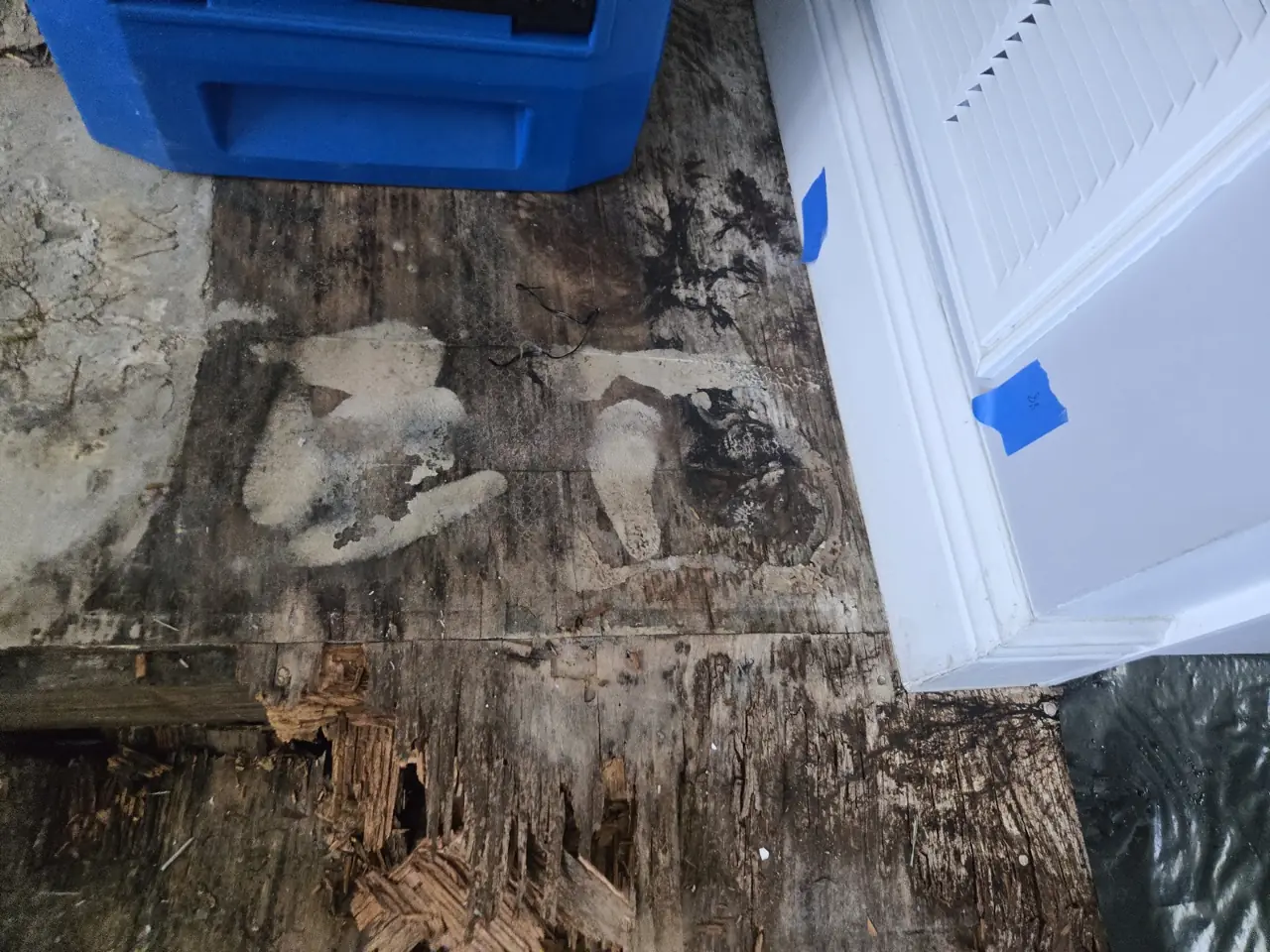
Is a roof leak an emergency?
It is when water is actively coming in. Call right away if any of these is true:
- Water is dripping or running through a ceiling, light fixture or wall.
- The ceiling is sagging or bulging.
- A limb, debris or wind has opened the roof, or shingles are gone over a large area.
- More rain is in the forecast and the damaged area is still open.
A small stain that isn't growing, with dry weather ahead, can usually wait for an inspection. If you are not sure which one you have, a free roof inspection finds the entry point and photographs it without guessing from inside the house.
How to fix a leaking roof temporarily
The goal of a temporary fix is to shed water until the permanent repair. There are three common ways, and they suit different damage.
| Temporary fix | Works for | Watch out for |
|---|---|---|
| Roof tarp | Missing shingles or open areas over intact decking | A tarp that is draped instead of anchored blows loose in the next storm |
| Temporary dry-in (underlayment or peel-and-stick membrane) | Exposed decking, or damage a tarp can't cover flat | Needs a dry surface to stick to |
| Targeted patch or sealant | Small punctures, nail pops, a cracked vent boot or lifted flashing | A patch over the wrong spot changes nothing, so the source has to be found first |
Tarping has one trap. Fixr's leak guide describes the usual DIY method, a tarp held down with two-by-fours, and warns that the fasteners can create new entry points for water. That is why we fit, batten and anchor every tarp to hold through the next band of weather instead of throwing it over the ridge, and why the tarps in our job photos are held down with sandbags.
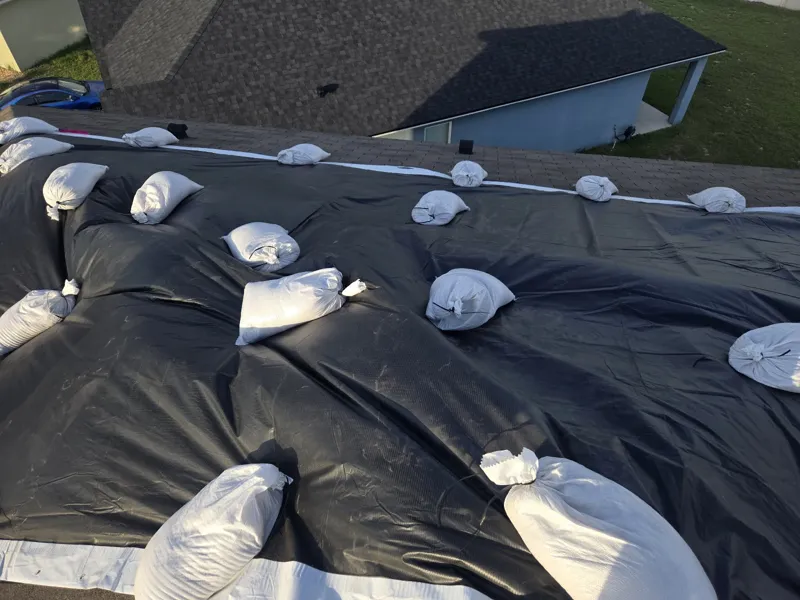
Can I put a tarp on my roof myself?
You can, on a low, dry roof you can reach safely, with a helper holding the ladder. Don't do it in rain or wind, on a steep or two-story roof, or where the decking may be damaged. Cover well past the damaged area, run the tarp over the ridge so water sheds off it, and secure it so wind can't get under the edges. If water is already inside the house, the tarp is the urgent part, and that is the part we do.
Finding where the water gets in
Water rarely enters where the stain appears. It hits the decking, runs downhill along the boards or a rafter, and drips wherever it finds a low point. So the permanent repair starts on the roof, not at the ceiling.
Fixr lists the common causes, and they are the places we check first on any leak:
- Flashing around chimneys, valleys, skylights and walls, the most common leak path in wind events.
- Vent boots around plumbing pipes, which crack and pull away with age and sun.
- Missing or damaged shingles after wind or debris.
- Nail pops, where a fastener backs out and lifts the shingle above it.
- Clogged gutters that back water up under the roof edge.
A slow leak with no visible storm damage often comes from aged flashing or a worn penetration, and those respond well to a targeted repair.
How much does it cost to repair a roof leak?
Most roof leak repairs cost $350 to $1,500, with a national average of $800, according to Fixr's guide (updated January 27, 2026). Small repairs can be as little as $100. A leak that has damaged the decking or structure can reach $8,000.
| Cause of the leak | Typical repair cost |
|---|---|
| Clogged gutters | $100 to $250 |
| Damaged vent boot | $100 to $600 |
| Missing or damaged shingles | $150 to $450 |
| Nail pops | $200 to $500 |
| Damaged flashing | $200 to $600 |
| Skylight leak | $300 to $800 |
| Valley leak | $300 to $1,500 |
| Chimney leak | $200 to $3,500 |
Fixr puts labor at about 60% of the total, and says steep or complex roofs, roof age and permits ($50 to $500) push the price up. The biggest factor you control is time. By Fixr's numbers, a minor leak runs $150 to $800 and a major one up to $8,000, and the difference is usually how long water got in before someone stopped it.
Our emergency repairs are quoted per job, and you have the price before we start, always. The number depends on roof pitch, materials and the size of the damaged area.
Who should repair a leaking roof?
For the emergency, a crew that answers at night and can get the roof covered. For the permanent fix, a licensed roofing contractor. A handyman can clear a gutter, but repairs to the roof covering, flashing and decking belong with a roofer. You can check any Florida contractor's license on the state's DBPR license search before anyone gets on your roof.
To be clear about our scope: we are an emergency protection crew, not a re-roofing company. Emergency repair stabilizes the roof and stops active water so you have time to plan the permanent work properly. Some small repairs do end up lasting years, but we will never sell one as permanent. When the roof needs more, we tell you plainly, and our photo documentation goes to whichever roofer you choose.
On insurance, we are not adjusters, and your policy language controls. Policies generally expect you to take reasonable steps to prevent further damage after a loss, and emergency measures after a covered loss are commonly claimable. We photograph the damage before and after our work, so your claim file has a clean record either way.
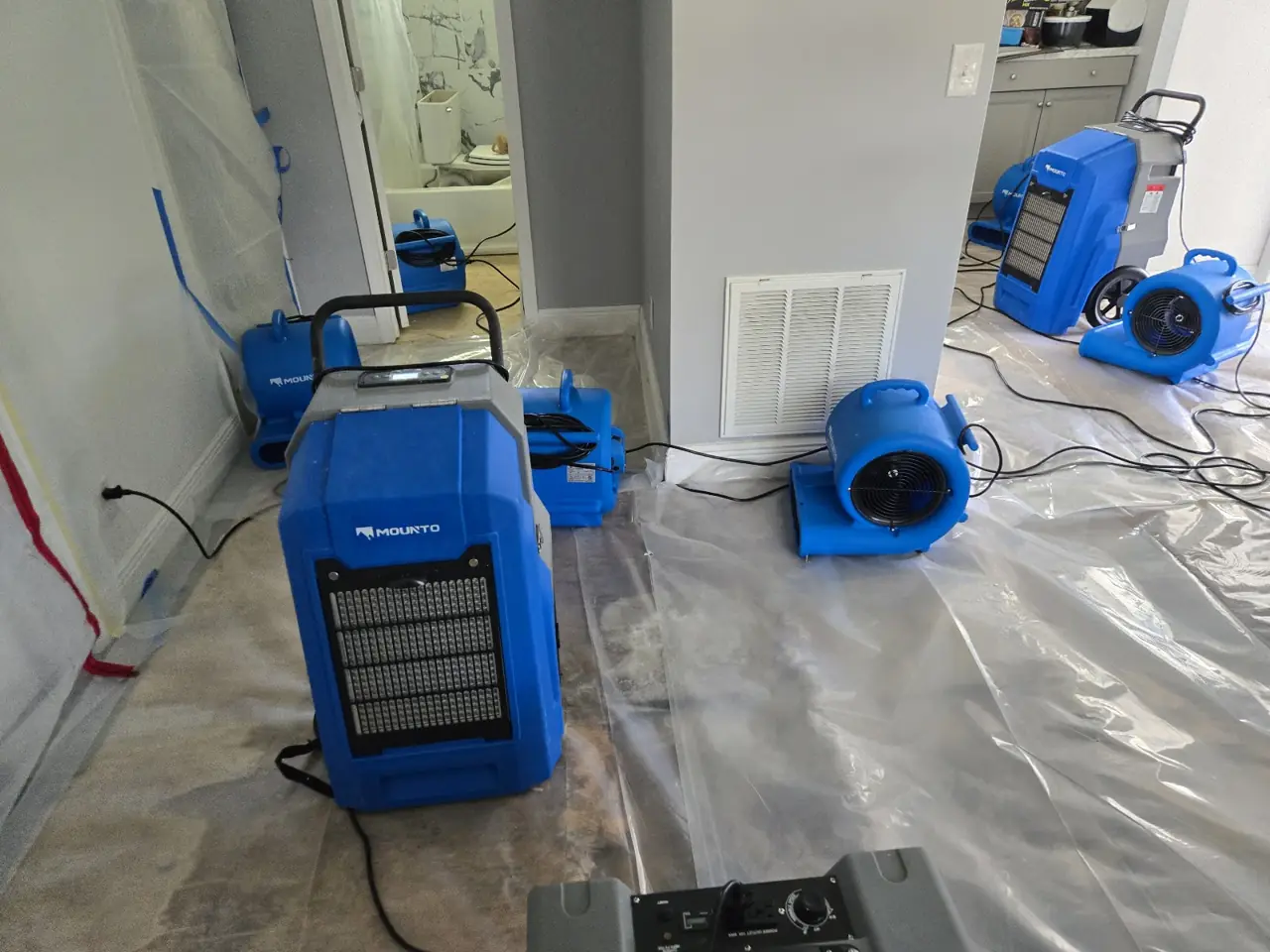
When to call us
If water is coming in now, call (863) 204-2088. Most emergency repairs are done in a single visit, and you get the full photo documentation when we leave. Describe the leak or send photos and we will tell you which it needs: a tarp, a repair, both or neither.
We work from Winter Haven across Central Florida, including Lakeland, Auburndale, Kissimmee, Lutz, Bradenton and Sarasota. To stop the water and repair a leaking roof the right way, start with our emergency roof repair service.
FAQ
What is the best way to repair a leaking roof?
Stop the water first with a tarp or a temporary dry-in, then find where the water actually enters and make the permanent repair once the roof is dry. A patch over the wrong spot changes nothing, so the source has to be found first.
How much does it cost to repair a roof leak?
Fixr puts the national average at $800, with most repairs between $350 and $1,500. Simple fixes can be about $100, and a leak that has damaged decking or structure can reach $8,000.
How do I fix a leaking roof temporarily?
Cover the damaged area with a tarp that runs over the ridge and is anchored so wind can't get under it, or use a temporary dry-in membrane over exposed decking. Inside, catch the water, move belongings and photograph the damage.
Is a roof leak an emergency?
Yes, when water is coming through a ceiling, light fixture or wall, the ceiling is sagging, or the roof is open with more rain on the way. A small stain that isn't growing can usually wait for an inspection.
Why is my roof leaking somewhere other than the damage?
Water that gets through the roof runs along the decking and rafters and drips at a low point, so the stain on the ceiling can be feet away from the entry point. That is why the source is found on the roof, not at the ceiling.
Is emergency roof repair a permanent fix?
No. Emergency repair stabilizes the roof and stops active water so you have time to plan the permanent work. Some small repairs last years, but the honest framing is that it buys you time and protects the inside of the house.